30 Barrier-Repairing Skincare Tips to Calm Redness
1. Use a Gentle, pH-Balanced Cleanser
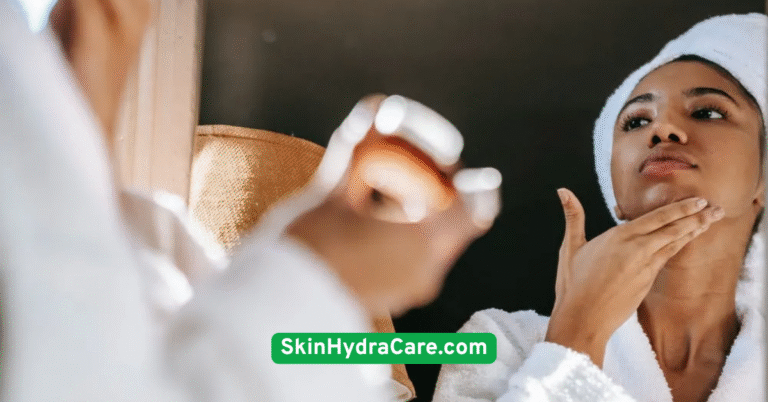
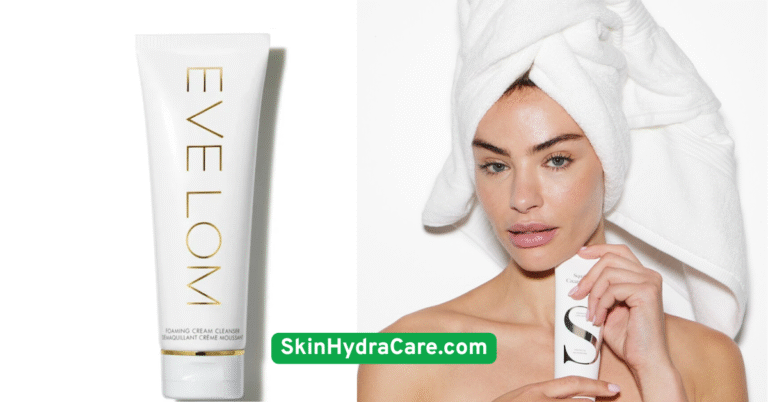
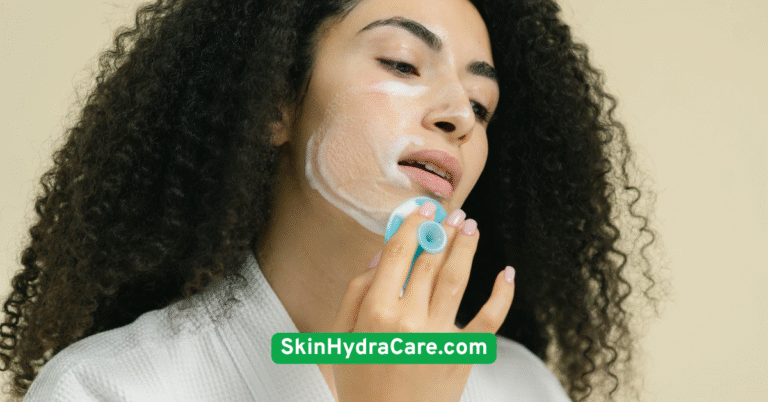
Cleansing is the first step in any skincare routine, but it can also be one of the most damaging if done wrong. Harsh cleansers strip away your skin’s natural oils, disrupting its barrier and leaving it dry and inflamed.Instead, opt for a pH-balanced cleanser (around 5.5) that supports your skin’s natural acidity. Cream and milk cleansers are especially soothing for red, irritated skin. These formulas cleanse without over-drying, making them ideal for sensitive skin types struggling with barrier damage.Look for products labeled “for sensitive skin” and free from fragrance, alcohol, or sulfates. A calming cleanser should leave your skin feeling fresh — not tight or tingly.
2. Ditch Foaming Cleansers
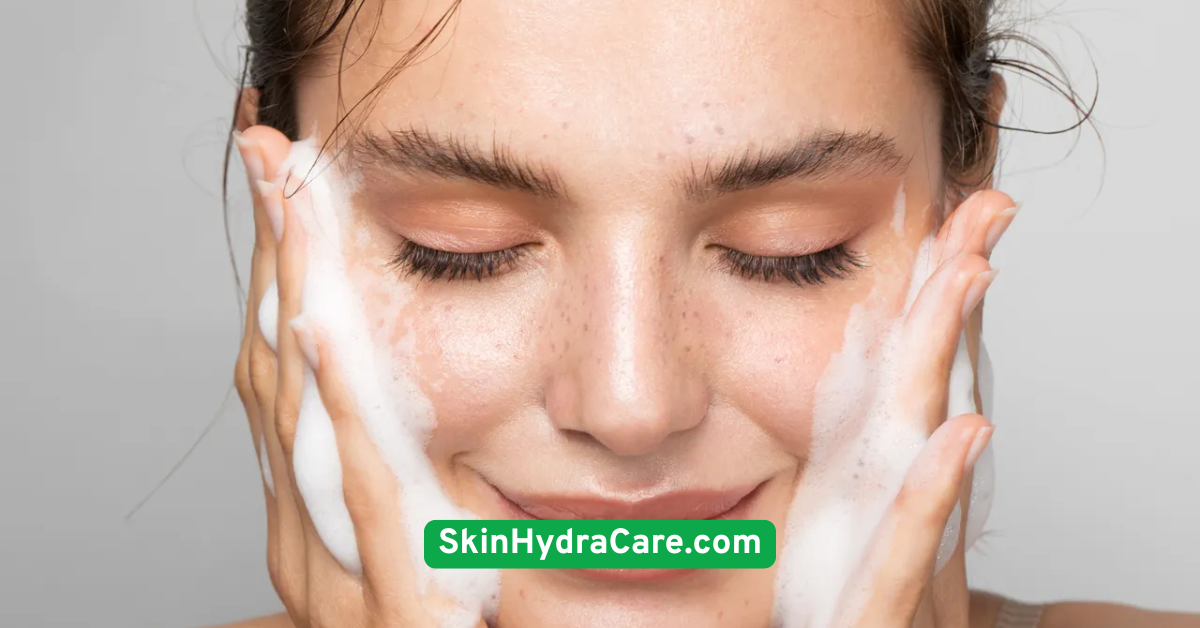
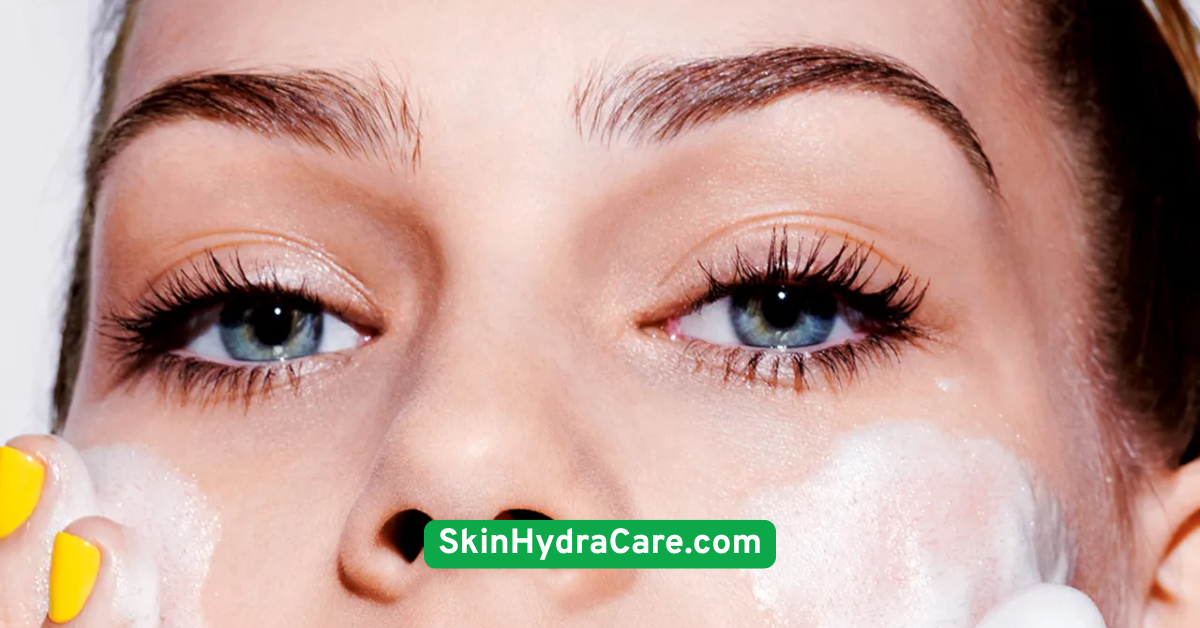
Foam feels fun, but it can be a red flag for your skin. Most foaming cleansers use surfactants — ingredients that create bubbles but often strip the skin barrier in the process.When your skin barrier is already compromised, these bubbly products can lead to increased sensitivity, redness, and even breakouts.Instead of foam, look for gentle gel cleansers or cleansing balms. They’re just as effective at removing dirt and makeup but far less irritating. Your skin will thank you with a calmer, smoother appearance.

3. Try Micellar Water for a Refreshing Cleanse
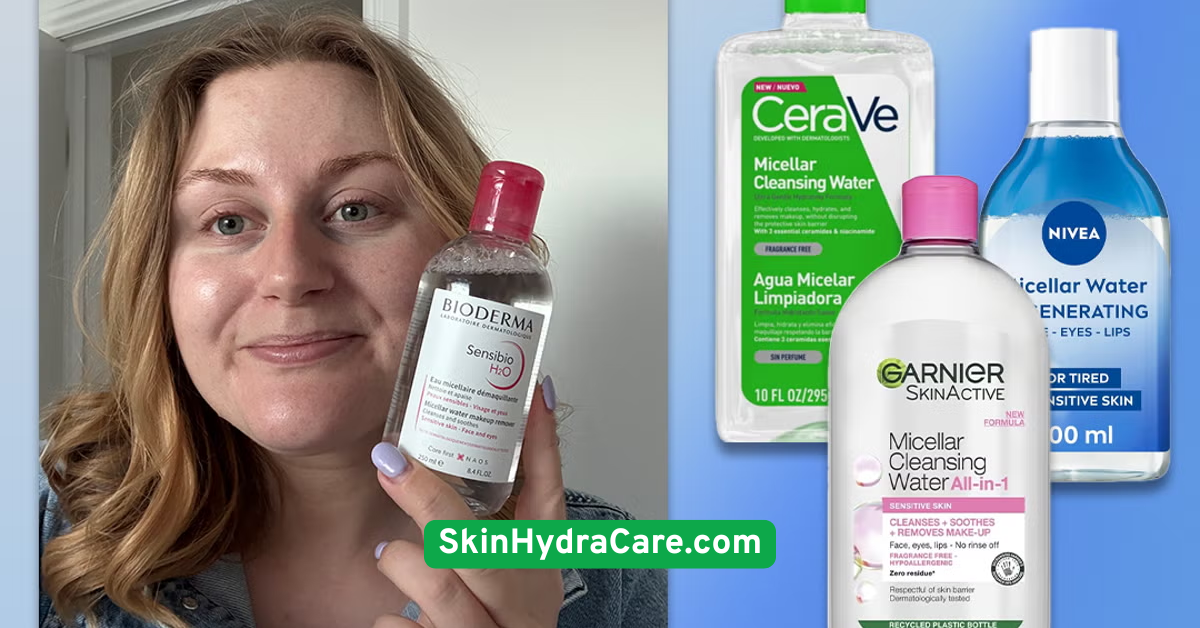
Micellar water is a game-changer for redness-prone skin. It’s gentle, effective, and doesn’t require rinsing — making it perfect for morning routines or quick refreshers.Micelles (tiny cleansing molecules) attract dirt and oil without disrupting the skin barrier. Simply saturate a cotton pad and swipe gently across the face.Avoid rubbing or tugging. A soft patting motion is all you need to leave your skin clean, soothed, and prepped for hydration.
4. Moisturize Immediately After Cleansing
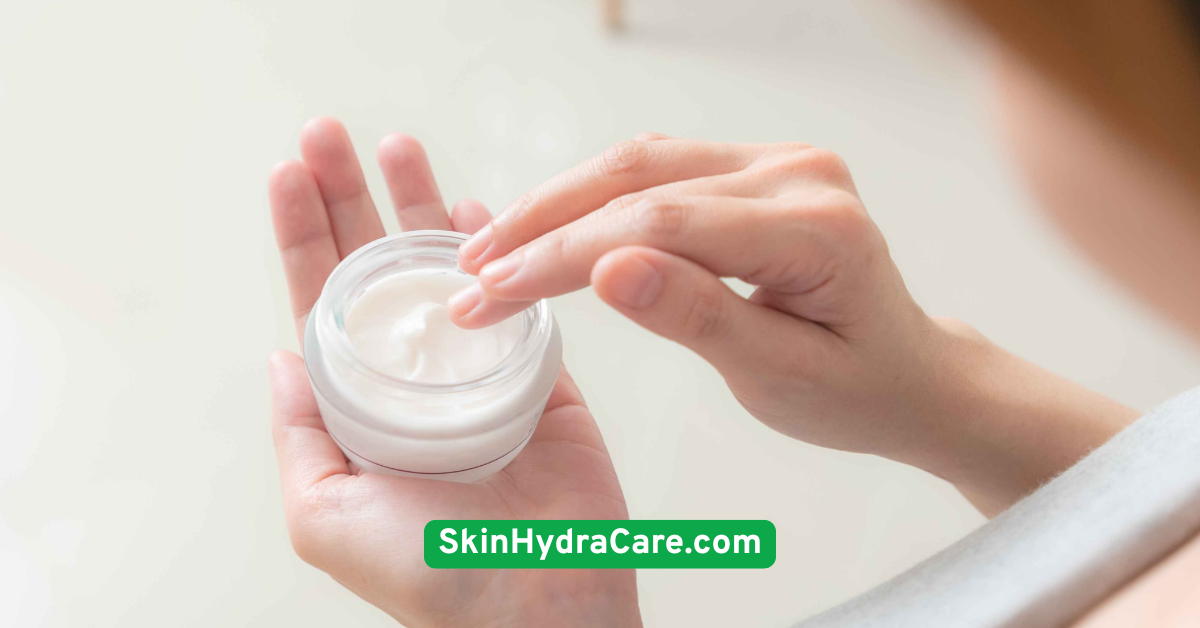
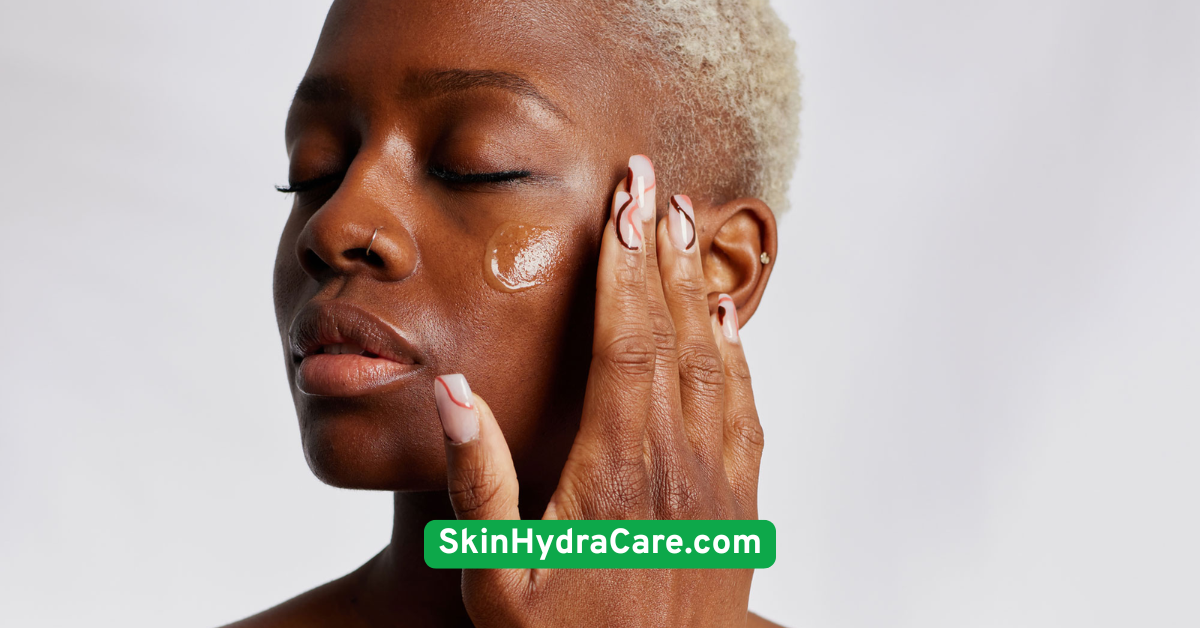
Moisturizing right after cleansing is crucial. Why? Because damp skin absorbs moisture better and helps lock in hydration more effectively.Look for moisturizers packed with ceramides, hyaluronic acid, and squalane — these ingredients mimic your skin’s natural structure and replenish the barrier.Consistency matters. Apply your moisturizer within 30 seconds of cleansing to trap water in the skin and promote long-term healing.

5. Choose Fragrance-Free Products
Fragrance is one of the most common culprits behind irritation and flare-ups. While it might make a product smell lovely, it can wreak havoc on sensitive skin.Always read labels carefully. Choose fragrance-free, hypoallergenic, and dermatologist-tested products. Even natural fragrances (like essential oils) can be irritating for redness-prone skin.Simpler ingredient lists are often better — your skin doesn’t need perfume, it needs peace.

6. Incorporate Ceramides into Your Routine
Ceramides are essential lipids found in your skin’s outermost layer. When your barrier is damaged, ceramide levels drop, leading to increased water loss, irritation, and inflammation.Topical ceramides help restore that balance. Look for moisturizers or serums labeled with “ceramide complex” or “skin-identical lipids.”These ingredients work best when combined with fatty acids and cholesterol, mimicking your skin’s natural moisture barrier and accelerating healing.
7. Avoid Harsh Exfoliants
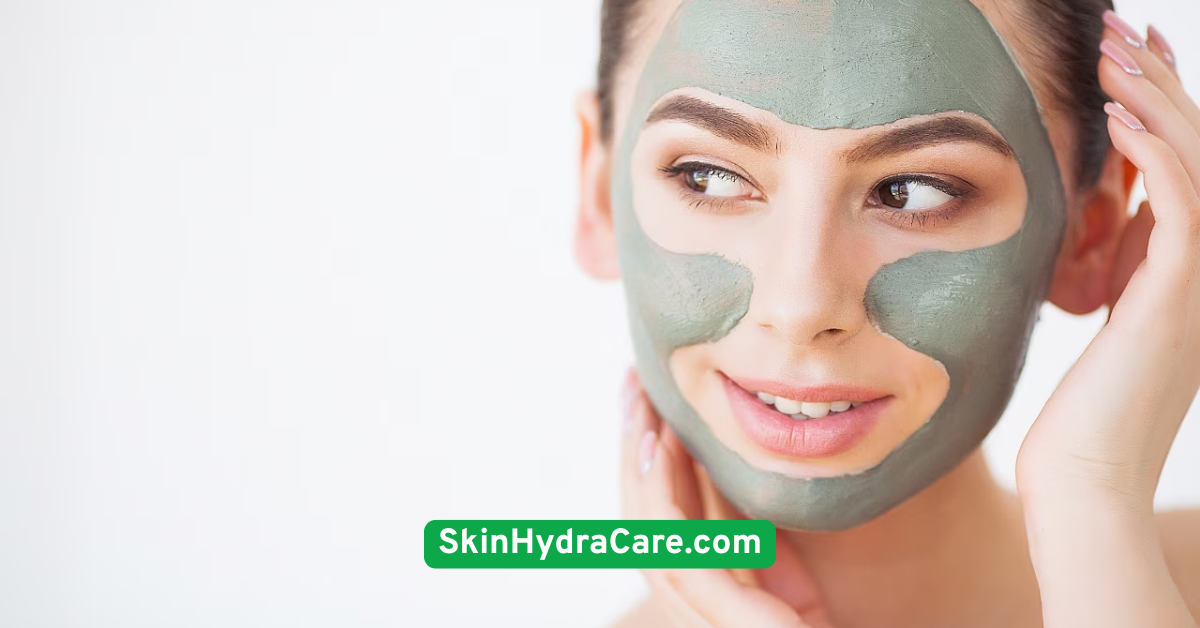
Exfoliation has its place, but when your barrier is compromised, it’s time to put down the scrub.Physical exfoliants, especially those with gritty particles, can cause microtears. Chemical exfoliants (like AHAs or BHAs) may sting or worsen redness. If you must exfoliate, limit it to once a week and choose gentle options like lactic acid or PHA.Better yet, press pause on exfoliation until your skin feels stronger and less reactive.
8. Use a Barrier-Repairing Serum
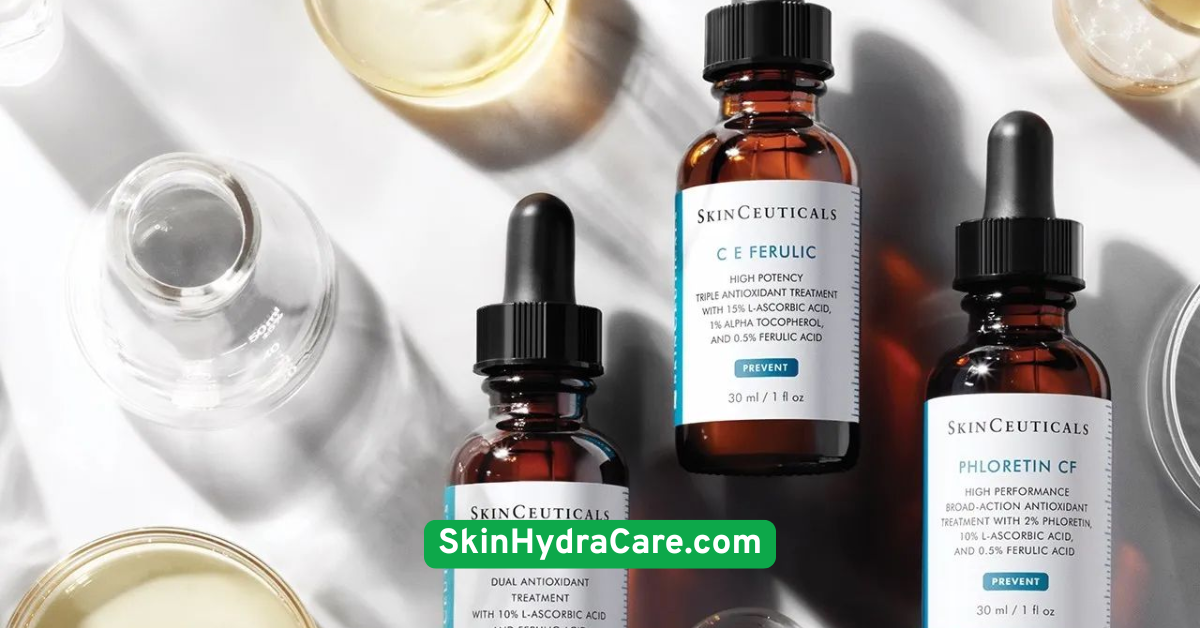
Serums can be potent allies in the battle against redness — as long as they’re the right kind. Skip the retinoids for now and opt for calming, barrier-repairing serums.Ingredients to look for:Niacinamide (anti-inflammatory + strengthens barrier)Panthenol (hydrates and soothes)Centella Asiatica (repairs and calms irritated skin)Apply these serums after cleansing and before moisturizing to give your skin the healing boost it needs.
9. Switch to Lukewarm Water
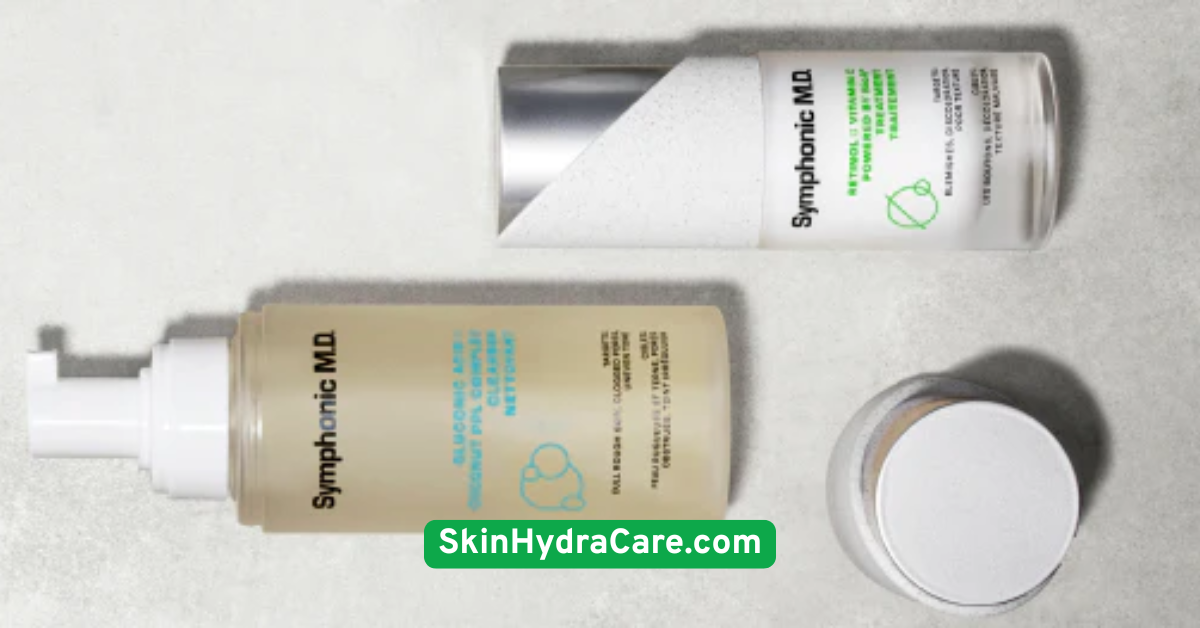
Hot water may feel soothing, but it’s a skin barrier’s worst enemy. It strips away natural oils and increases transepidermal water loss, leading to dryness and flare-ups.Use lukewarm water instead. It’s gentle, cleansing, and won’t shock your skin. After cleansing or rinsing, pat dry with a soft towel — no rubbing!

10. Wear Sunscreen Every Day
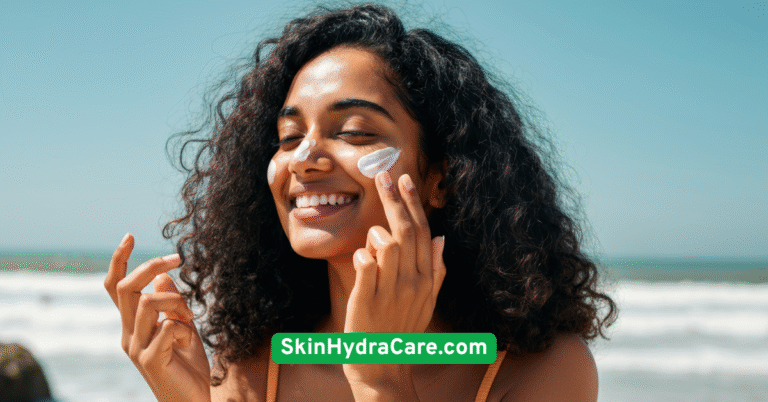
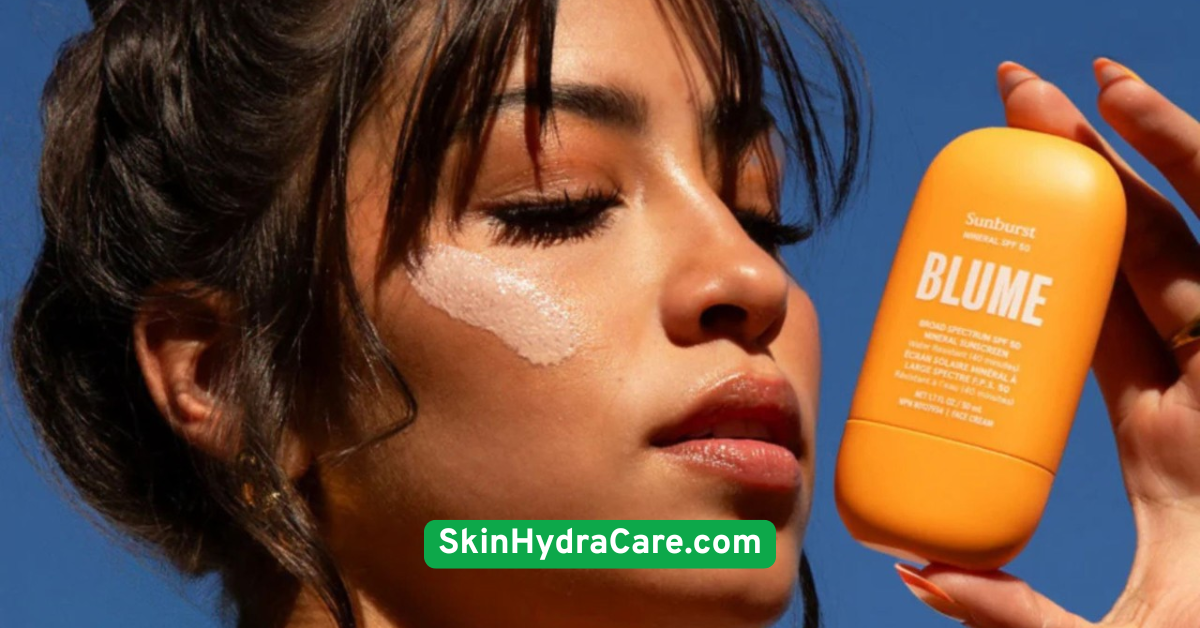
Sun exposure is one of the biggest triggers for redness and inflammation. Even on cloudy days, UV rays can penetrate and damage your skin barrier.Use a mineral sunscreen (with zinc oxide or titanium dioxide) daily. These ingredients are gentle and less likely to irritate sensitive skin.Reapply every two hours if you’re outdoors — and especially after sweating or swimming.
11. Avoid Overwashing Your Face
Washing your face too frequently can actually make redness worse. Stick to twice daily cleansing — once in the morning and once at night.If you feel the need for a midday refresh, use micellar water or a gentle facial mist rather than a full cleanse.The goal is to support your skin’s natural barrier, not strip it repeatedly.
12. Use Oat-Based Products
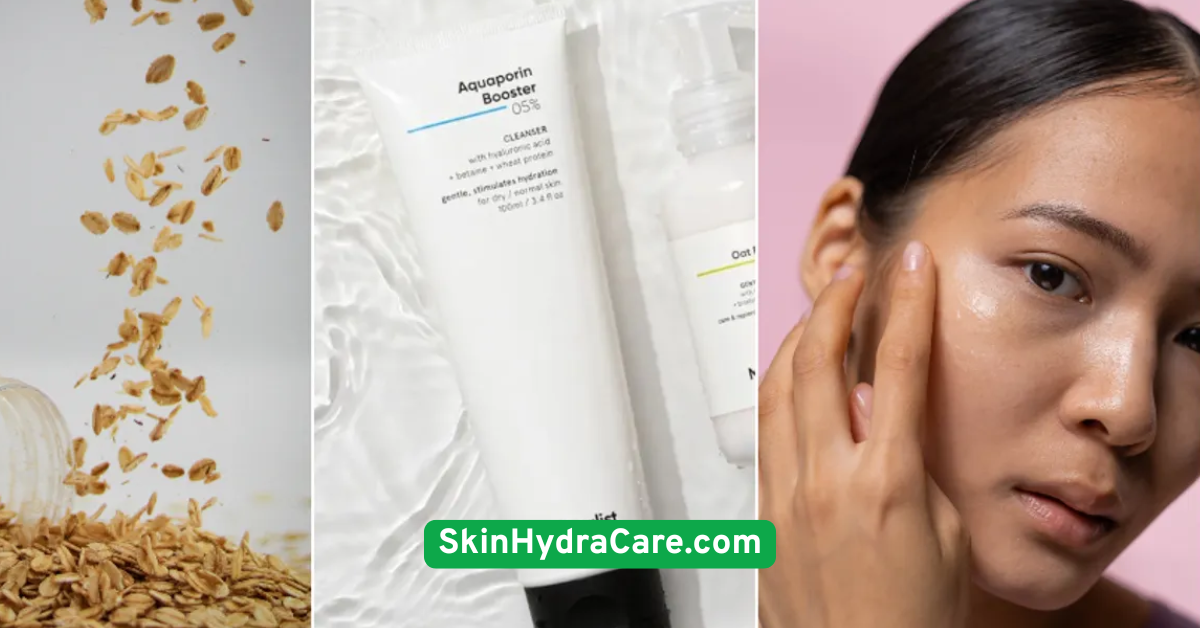
Colloidal oatmeal isn’t just an old wives’ tale — it’s a scientifically backed ingredient for soothing inflammation and redness.It creates a protective layer on the skin while delivering antioxidants and anti-inflammatory compounds. You’ll find it in masks, cleansers, and moisturizers made specifically for irritated skin.Oatmeal is especially helpful for those with eczema or rosacea.
13. Avoid Alcohol-Based Toners
Many traditional toners are packed with denatured alcohol, which can dry out and irritate already sensitive skin.Instead, reach for hydrating toners with ingredients like rose water, glycerin, or hyaluronic acid. These offer a refreshing feel without stripping away essential moisture.A toner should prep and calm your skin — not sting or burn.

14. Add a Facial Mist for Midday Relief
Facial mists are perfect for mid-day refreshment, especially in dry environments. They offer a quick hit of hydration and can help calm inflammation.Look for mists with thermal spring water, aloe vera, or chamomile. These natural ingredients are packed with skin-soothing benefits.Spritz over makeup or bare skin whenever your face feels tight or flushed.

15. Consider Probiotic Skincare
Healthy skin has a thriving microbiome — and when that balance is disrupted, inflammation follows.Probiotic skincare helps restore the balance of good bacteria, which in turn strengthens the skin’s barrier and reduces redness.Ingredients like lactobacillus ferment or bifida ferment lysate are great additions to moisturizers or serums for red, reactive skin.

16. Simplify Your Routine
When your skin is angry and red, less really is more. A long, complicated routine can overwhelm your barrier and introduce too many actives at once.Pare it down to the essentials: a gentle cleanser, soothing serum, barrier-repairing moisturizer, and sunscreen. Stick with this for a few weeks and monitor your skin’s response.Avoid adding new products too quickly. A slow, mindful approach helps you identify what truly works and what your skin could do without.

17. Avoid Makeup with Irritating Ingredients
Makeup can hide redness — but some products make it worse in the long run. Many conventional foundations and powders contain fragrance, talc, and alcohol, which trigger further inflammation.Look for hypoallergenic, non-comedogenic makeup, and always patch test before applying it to your whole face.Bonus tip: try a green-tinted primer to color-correct redness before applying your base makeup. It’s a gentle way to neutralize redness without layering on thick foundation.

18. Incorporate Aloe Vera Gel
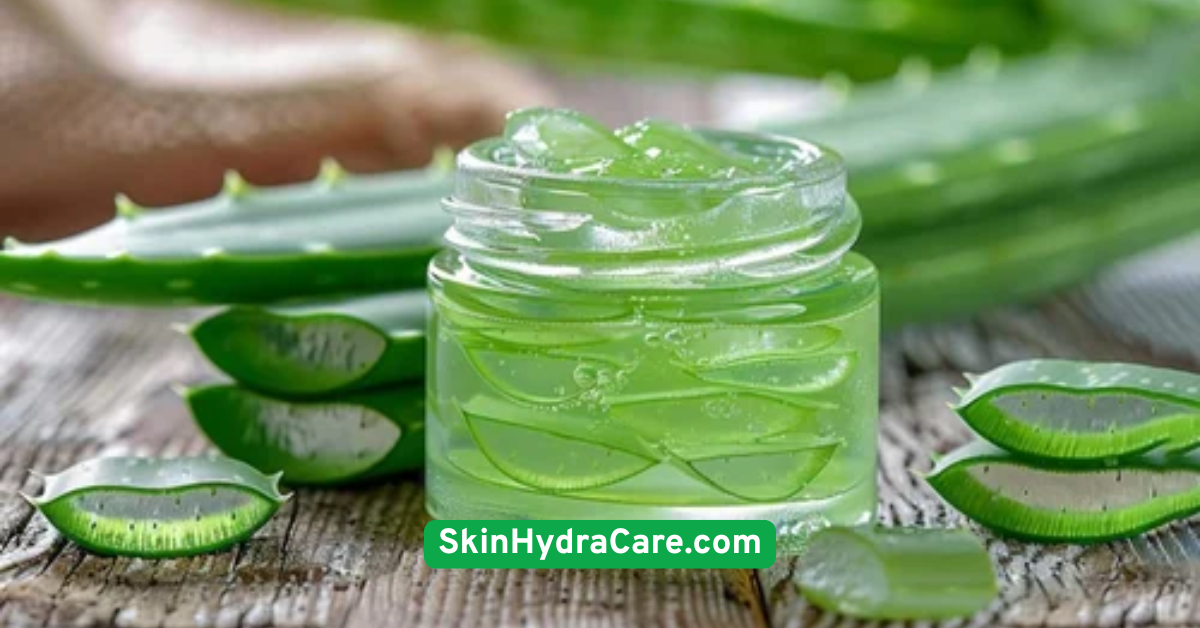
Aloe vera is famous for a reason. This plant-based powerhouse is naturally anti-inflammatory and deeply hydrating — a perfect match for skin that’s hot, red, or irritated.Apply a thin layer of pure aloe vera gel after cleansing or whenever your skin feels inflamed. Look for cold-pressed or organic formulas with minimal additives.Aloe also works wonderfully as a post-exfoliation or post-sun exposure treatment.
19. Get Enough Sleep
Your skin repairs itself while you sleep. Skimping on rest increases cortisol levels, which can worsen inflammation and break down collagen — two things you don’t want when you’re dealing with redness.Aim for 7–9 hours of high-quality sleep each night. Even better, use a silk pillowcase to reduce friction and avoid waking up with red, creased skin.Sleep isn’t just beauty rest — it’s essential barrier recovery time.

20. Manage Stress Levels
Stress doesn’t just show up in your mind — it shows up on your face. Emotional stress increases inflammation, triggers acne, and can lead to flare-ups in conditions like rosacea and eczema.Incorporate calming rituals into your daily life: deep breathing, journaling, yoga, or just a quiet walk can make a big difference.Your skin reflects your inner world — keep both in balance for optimal barrier health.

21. Eat Skin-Friendly Foods
You are what you eat, especially when it comes to your skin. An anti-inflammatory diet can significantly reduce redness and help repair the barrier from within.Include plenty of omega-3 fatty acids (from salmon, walnuts, flaxseeds), vitamin C (from berries, citrus fruits), and vitamin E (from almonds and avocados).Avoid common triggers like spicy food, caffeine, and alcohol if you notice they worsen your symptoms.

22. Avoid Long, Hot Showers
Hot showers feel heavenly, but your skin pays the price. Prolonged exposure to hot water strips natural oils, increases dryness, and weakens the skin barrier.Limit showers to under 10 minutes, and keep the water warm — not steaming. Always apply moisturizer immediately after drying off to trap moisture and restore hydration.

23. Add Squalane to Your Routine
Squalane is a lightweight, non-comedogenic oil that mimics your skin’s natural sebum. It’s ideal for sensitive and redness-prone skin because it provides deep hydration without clogging pores or causing irritation.You can use it alone or mixed into your moisturizer. It’s particularly effective in colder months or dry environments where your barrier needs a little extra TLC.
24. Use Zinc-Based Treatments
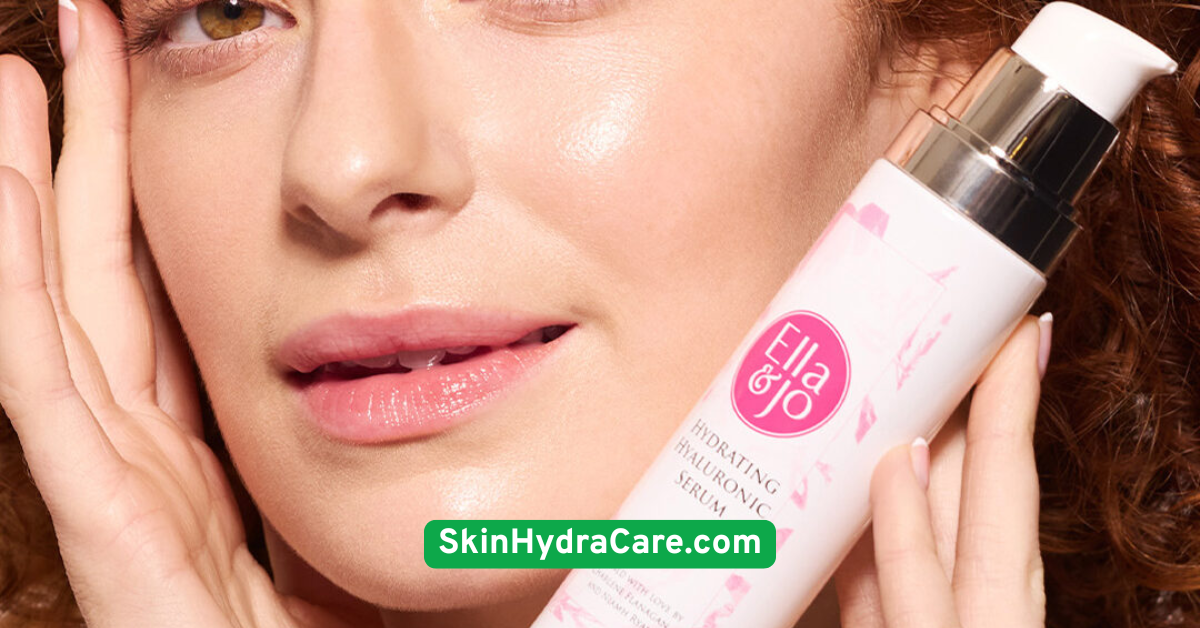
Zinc has incredible anti-inflammatory properties and is often found in products designed to soothe redness, acne, and irritation.Try zinc oxide sunscreens, or calming creams that include zinc PCA or zinc gluconate. These support barrier repair while controlling excess oil and bacteria.It’s a multitasking mineral that promotes healing and calmness in one.

25. Avoid Retinol (Temporarily)
Retinol is powerful, but it’s not always your friend — especially if your skin barrier is compromised. It can cause dryness, peeling, and increase redness when your skin is already reactive.Put retinol on hold during barrier repair. Once your skin is healthy again, you can slowly reintroduce it with low concentrations and moisturizer buffering.Patience is key — don’t rush your barrier recovery just to fight fine lines.
26. Try Calendula Extract
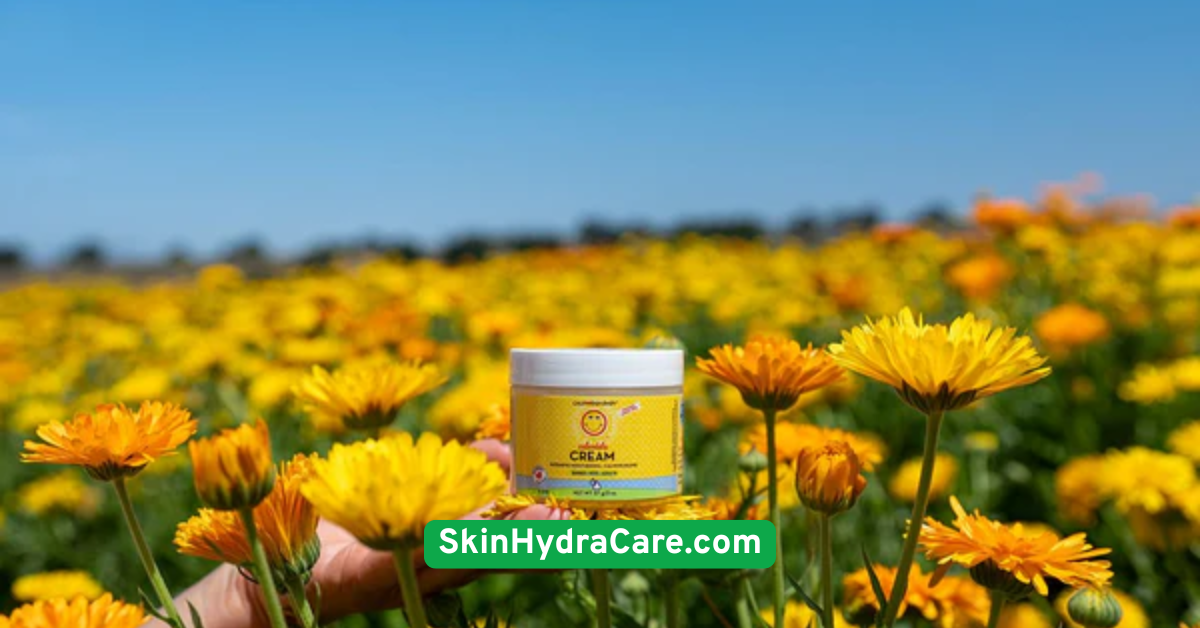
Calendula (marigold flower) is a time-tested ingredient known for its soothing, anti-inflammatory, and healing properties.It’s gentle enough for babies and effective enough for adults with sensitive skin. Look for calendula-infused creams or toners to help reduce redness and support the skin’s natural healing process.This botanical works especially well for rosacea-prone or reactive skin types.
27. Invest in a Humidifier
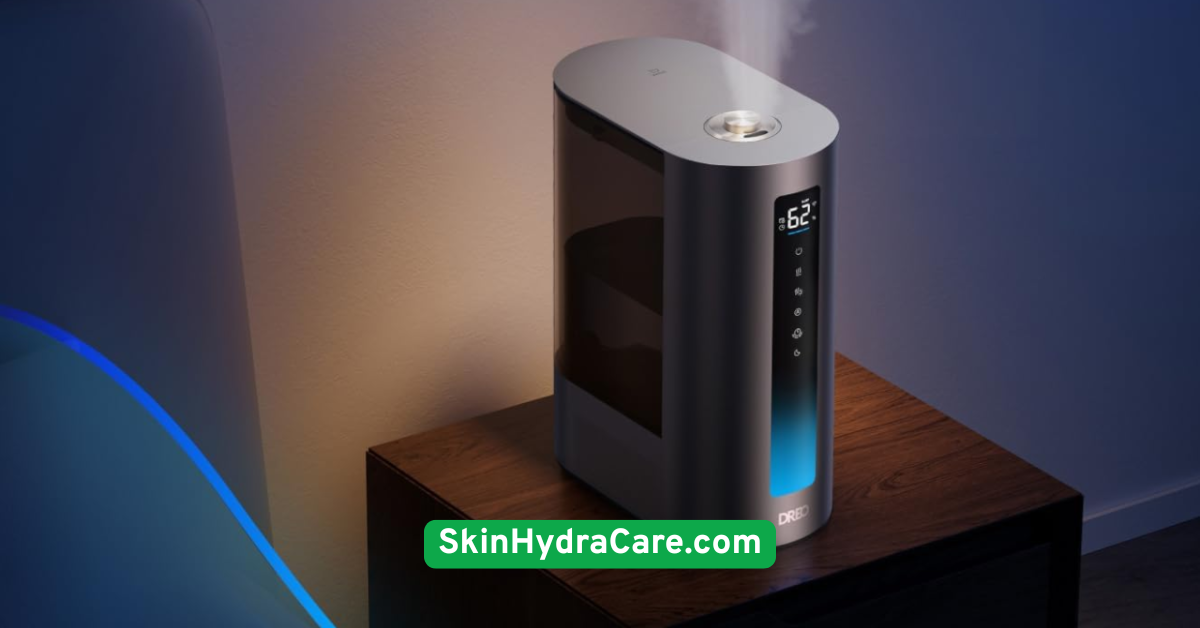
Dry air — especially during winter or in air-conditioned spaces — can pull moisture from your skin and leave it vulnerable to redness and flaking.Running a humidifier at night helps maintain optimal skin hydration levels and supports barrier function. Pair this with a hydrating night cream or overnight mask for best results.Your skin will wake up refreshed, plump, and far less inflamed.
28. Avoid Rubbing or Touching Your Face
We all do it — rest our face in our hands, rub our eyes, or scratch a dry patch. But this seemingly innocent habit can cause friction and spread bacteria, worsening inflammation.Be conscious of how often you touch your face. Use soft cloths, pat your skin dry, and apply products with gentle tapping motions.Kind hands = calmer skin.
29. Choose Non-Comedogenic Products
When your skin barrier is damaged, it’s more prone to congestion and breakouts. Clogged pores add another layer of inflammation, especially around cheeks and chin.Stick to non-comedogenic skincare and makeup products — meaning they won’t block pores. Avoid heavy oils, waxes, or silicone-heavy formulations unless tested safe for sensitive skin.

30. Stay Consistent With Your Routine
Perhaps the most important tip of all: consistency. Healing your barrier and calming redness won’t happen overnight. It takes time, patience, and a steady, soothing routine.Stick with your gentle products, don’t give in to trends, and resist the urge to over-treat. In 4–6 weeks, you’ll notice a major difference in how your skin looks and feels.Stay the course — your skin is on its way to balance and radiance.
Conclusion
Redness isn’t just a surface issue — it’s your skin’s way of crying out for help. And the best way to answer? With kindness, consistency, and barrier-repairing love.These 30 skincare tips are your roadmap to calm, healthy, glow-from-within skin. From choosing pH-balanced cleansers to embracing ceramides and calming botanicals, each step supports your skin’s natural defense system.Remember, skincare is a marathon, not a sprint. Listen to your skin, simplify where needed, and trust the process. You’re on the path to your most resilient skin yet!