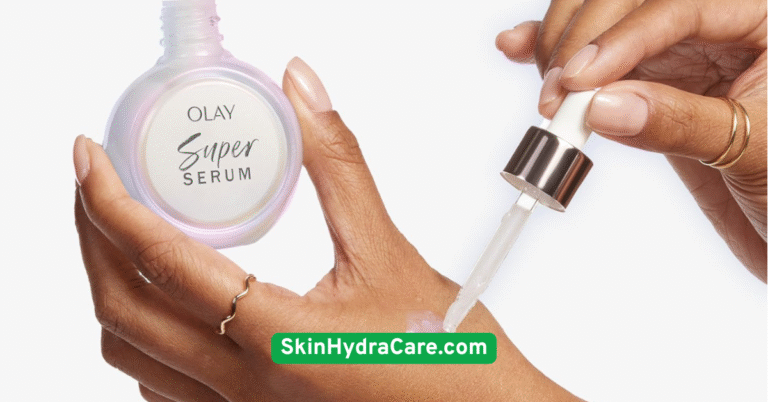
7 Barrier-Repairing Skincare Tips for Winter Use

Your skin barrier is like your body’s built-in security system. It keeps hydration in and external irritants out. When it’s damaged—especially during the winter—you’ll notice flakiness, tightness, redness, and sensitivity. But don’t panic! You don’t need a cabinet full of pricey serums to fix it.I’ve rounded up 7 practical and effective skincare tips to help repair your skin barrier and keep your face glowing through the chilliest months. These barrier-repairing skincare tips are budget-friendly, science-backed, and easy to incorporate into your daily winter routine. Whether your skin is dry, sensitive, or somewhere in between—these tips will help you bounce back fast.
1. Switch to a Gentle, pH-Balanced Cleanser
Your cleanser sets the tone for your entire skincare routine, and in winter, you absolutely want one that’s gentle and pH-balanced. Forget harsh foaming washes—those might work in the summer, but they can seriously damage your skin’s barrier when the air is cold and dry.A good winter cleanser should be fragrance-free, sulfate-free, and ideally cream or oil-based. These kinds of cleansers don’t strip your skin’s natural oils and help maintain that ideal pH around 5.5, which supports a healthy microbiome. That means less redness, fewer flare-ups, and a more resilient face overall.
Cleansing once in the morning and once at night is enough—any more, and you risk overwashing. If your skin feels tight after cleansing, it’s a red flag. Try switching to cleansers with ingredients like glycerin, panthenol, or squalane to nourish while they cleanse.Not sure where to start? Look for drugstore options labeled “for sensitive skin” or “dermatologist-tested.” You don’t need to spend a fortune to get clean, calm, happy skin.
2. Use a Humectant-Rich Hydrating Serum
Hydration is the secret weapon of winter skincare. While moisturizers lock in moisture, humectants actually draw water into your skin. That’s where a good hydrating serum becomes a game-changer.Humectants like hyaluronic acid, glycerin, and panthenol work best when applied to slightly damp skin. After you cleanse, lightly pat your face with a towel and immediately apply your serum. This helps the humectants grab onto the water and pull it deep into your skin.Serums are typically lightweight and fast-absorbing, making them perfect for layering. You don’t want anything greasy or heavy—just enough hydration to plump and soothe the skin barrier.And remember: more isn’t always better. Stick with a single, high-quality serum with proven hydrating ingredients, and avoid anything with added alcohol or fragrance, which can cancel out the benefits.Hydrating serums are one of the simplest ways to improve your skin barrier in just a few days. They prep your skin to hold moisture better and enhance the effectiveness of your moisturizer.

3. Lock in Moisture with a Barrier-Repairing Moisturizer
This step is non-negotiable. After all that hard work pulling water into your skin, now it’s time to seal the deal. A good barrier-repairing moisturizer doesn’t just hydrate—it rebuilds.Your ideal winter moisturizer should be packed with ceramides, cholesterol, and fatty acids—these are the same components found in your skin’s natural barrier. When applied topically, they help restore balance and structure, like patching holes in a leaky roof.Look for thick, creamy formulas that include occlusives like petrolatum, squalane, or beeswax. These ingredients help create a protective layer over the skin that prevents water loss and shields from environmental damage.Timing matters too. Apply your moisturizer within 30 seconds of using your serum, while your skin is still damp. This helps “lock in” hydration and boosts overall absorption.Don’t be afraid to use a heavier cream at night, even if you have oily skin. Winter dryness doesn’t discriminate, and your skin will drink up every drop of nourishment you provide.

4. Avoid Over-Exfoliating During Cold Months
Exfoliation is great for smooth, glowing skin—but in winter, too much of a good thing can be a disaster. Harsh exfoliants, scrubs, and strong acids can strip your already-vulnerable skin, causing redness, peeling, and inflammation.If your barrier is damaged, exfoliation should be gentle and infrequent. Opt for mild chemical exfoliants like lactic acid or polyhydroxy acids (PHAs) no more than once a week. These ingredients smooth the skin without causing irritation or disrupting the lipid barrier.Skip the gritty scrubs altogether. Physical exfoliation often causes microtears, especially when the skin is dry and sensitive. Stick to creamy enzyme exfoliants or very low-percentage acid toners.And don’t forget: always follow exfoliation with a generous layer of moisturizer and soothing ingredients. Products with niacinamide or allantoin can help reduce redness and inflammation post-exfoliation.Over-exfoliation is one of the most common causes of a broken barrier, so keep it minimal and smart this season.

5. Incorporate Soothing Ingredients That Calm Inflammation
Winter isn’t just drying—it’s irritating. From windburn to rosacea flare-ups, your skin needs a little extra kindness during these chilly months. That’s where calming ingredients come in.Look for skincare formulas with niacinamide, allantoin, colloidal oatmeal, or centella asiatica. These ingredients are known for their anti-inflammatory properties and barrier-strengthening benefits. They reduce redness, promote healing, and help restore balance to irritated skin.Soothing serums, recovery creams, and hydrating masks can be used a few times a week or as needed. Just make sure you’re layering them under your moisturizer for maximum effectiveness.The key is consistency. These calming ingredients won’t give instant results, but over time, they’ll dramatically reduce sensitivity and improve your skin’s tolerance to cold weather.Bonus: most of these ingredients are suitable for all skin types—including acne-prone and oily—so you can use them confidently in any routine.
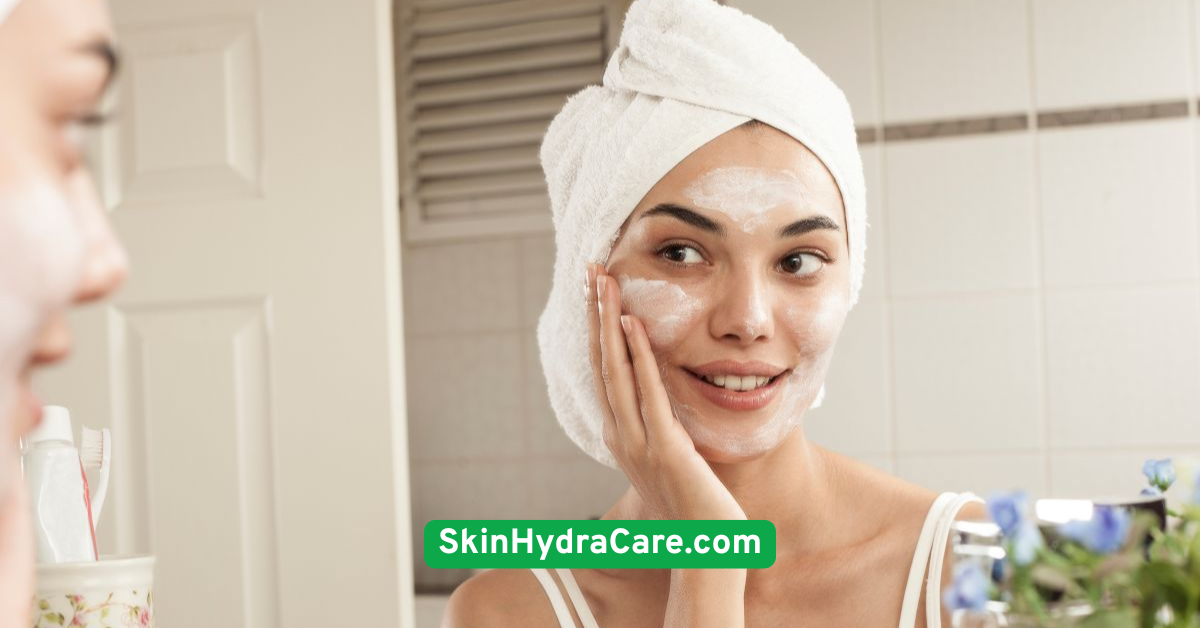
6. Repair Overnight with a Sleeping Mask or Recovery Balm
Nighttime is when your skin naturally regenerates. That makes it the perfect time to supercharge your routine with a sleeping mask or recovery balm—especially if your barrier is struggling.These overnight treatments are typically richer than your daytime products and packed with reparative ingredients like ceramides, peptides, and squalane. They work like a blanket for your face, locking in moisture and accelerating barrier repair while you sleep.Choose products that are fragrance-free and non-comedogenic, especially if your skin is sensitive or acne-prone. A good sleeping mask should feel like a thick cream—not sticky or greasy—and should absorb into your skin within a few minutesApply it as the final step in your evening routine, right after moisturizer. If your skin is severely dry or flaky, apply a balm with occlusive agents like petrolatum or lanolin to the driest areas (like around your nose or lips).When you wake up, your skin will feel softer, calmer, and more resilient—ready to take on another chilly day!
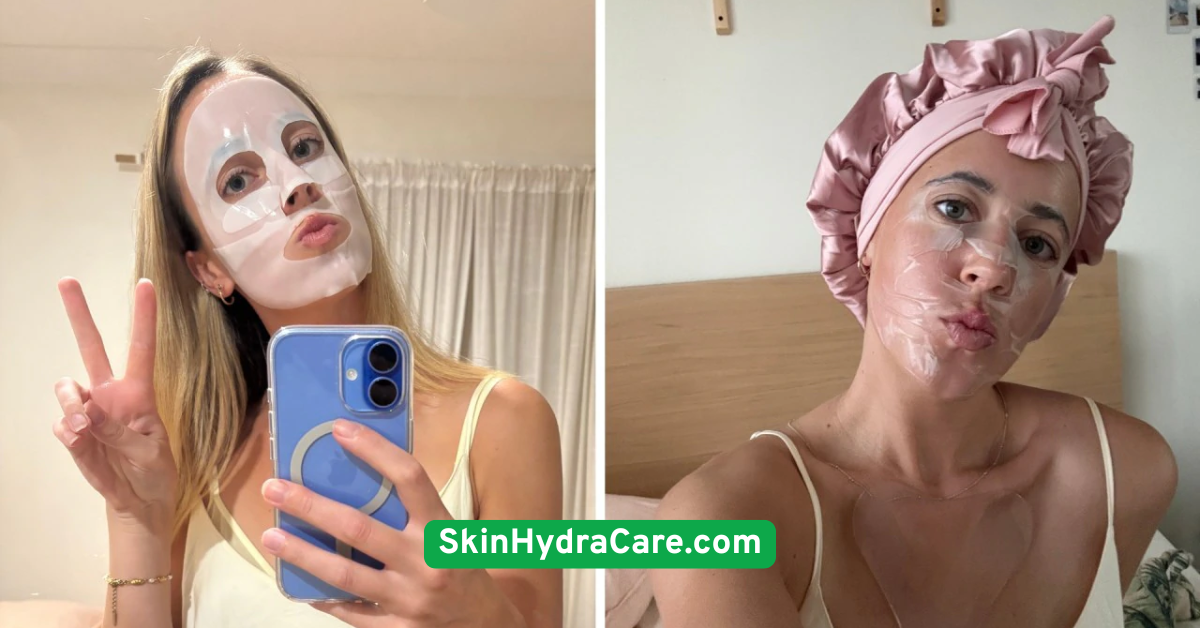
7. Protect Your Skin from Environmental Stressors
Even the best skincare won’t help if you don’t protect your skin from environmental damage. That means taking a proactive approach—starting with daily SPF use. Yes, even in winter!UV rays are still present on cloudy days and snowy surfaces reflect them, increasing exposure. Using a broad-spectrum SPF 30 or higher helps prevent UV damage, which weakens the skin barrier and accelerates aging.But protection goes beyond sunscreen. Cover your skin with scarves or hats when heading out into the wind. Use a humidifier at home to combat dry indoor air from heaters. And avoid long, hot showers—they may feel amazing, but they strip your skin of essential oils.Lastly, keep your skincare routine simple and consistent. Too many products can confuse and irritate your skin, especially in winter. Stick to what works and focus on nourishment and repair.Your skin barrier will thank you—with fewer flare-ups, more hydration, and a healthy winter glow.

Conclusion
Winter might be tough on your skin, but with the right care, you can thrive through the cold—not just survive it. Each of these 7 barrier-repairing skincare tips is designed to protect, restore, and strengthen your skin when it’s most vulnerable. From gentle cleansers to occlusive creams, soothing ingredients to SPF—even small changes can make a big difference.
So start slow. Switch one product at a time. Layer thoughtfully. And don’t forget to listen to your skin. It’ll tell you what it needs—redness, dryness, tightness… they’re all signs asking for help.
Treat your winter skin like you’d treat a good friend—with patience, kindness, and plenty of moisture. Your glowing, hydrated, and calm skin is just a few mindful steps away.
Need help choosing products or want a sample skincare routine? Let me know—I’m always happy to help you build a winter skincare routine that fits your budget and skin goals!