7 Restorative Skincare Tips to Calm Redness (2025)
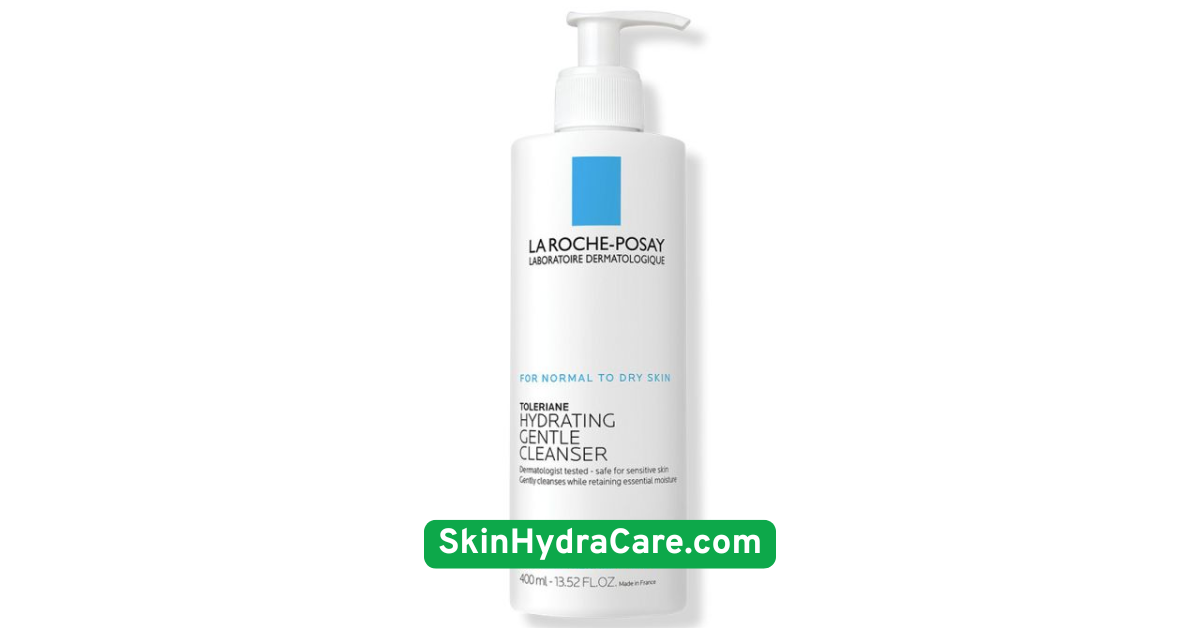
1. Choose a Gentle, Sulfate-Free Cleanser
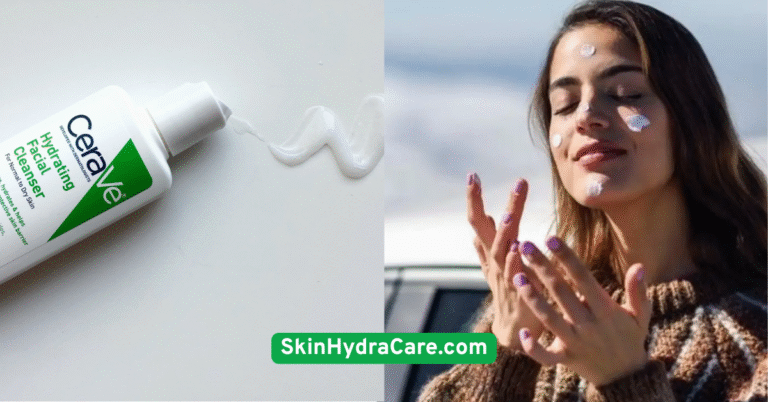
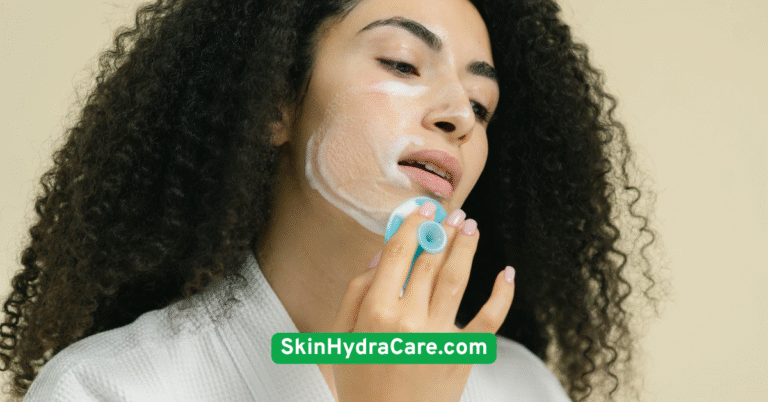
Cleansing is the first step in any skincare routine, but it’s often the one that causes the most damage—especially if you’re using harsh, foaming cleansers loaded with sulfates. Sulfates strip away not just dirt and oil, but also your skin’s natural protective barrier, leaving it dry, tight, and more prone to redness.Instead, opt for a gentle, sulfate-free cleanser that respects your skin’s delicate balance. Look for ingredients like micellar water, oat extracts, and aloe vera, which cleanse without irritation. These mild agents remove impurities without disrupting your skin’s moisture barrier.If you wear makeup or sunscreen daily, consider a two-step cleansing routine. Start with a micellar or oil-based cleanser to dissolve makeup, followed by a non-stripping, low pH cleanser to finish the job. The key here is comfort—your skin should feel clean, not squeaky.And here’s a tip: avoid washcloths or rough tools that can exacerbate redness. Just your fingertips, lukewarm water, and a bit of patience are all you need to start the healing process.
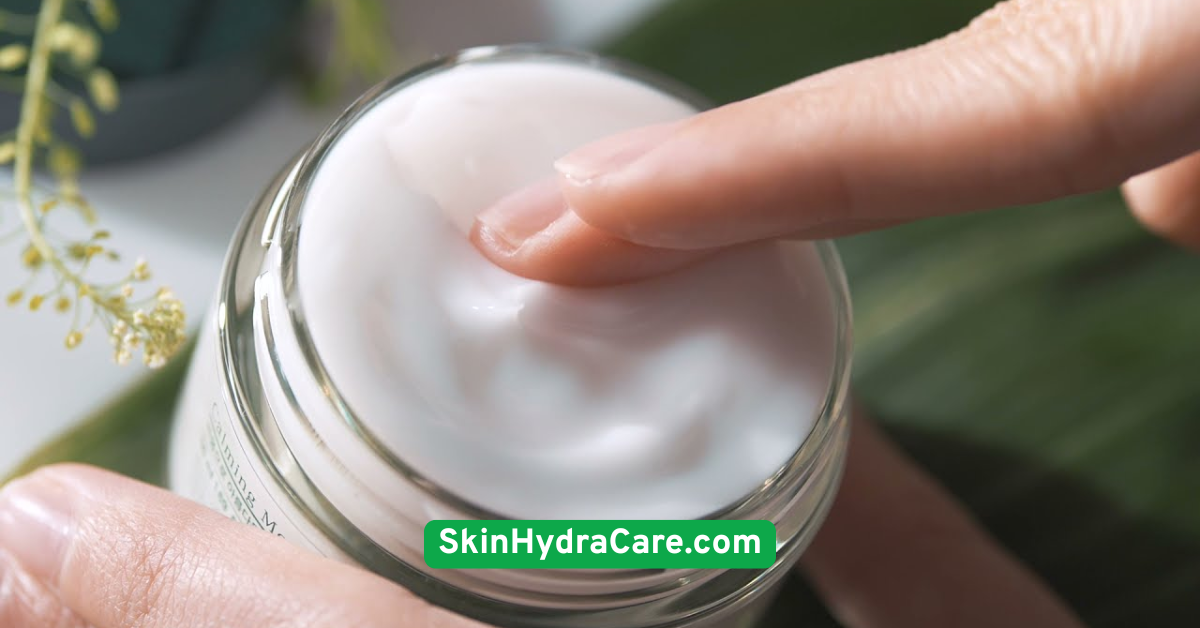
2. Keep Your Moisturizer Barrier-Boosting
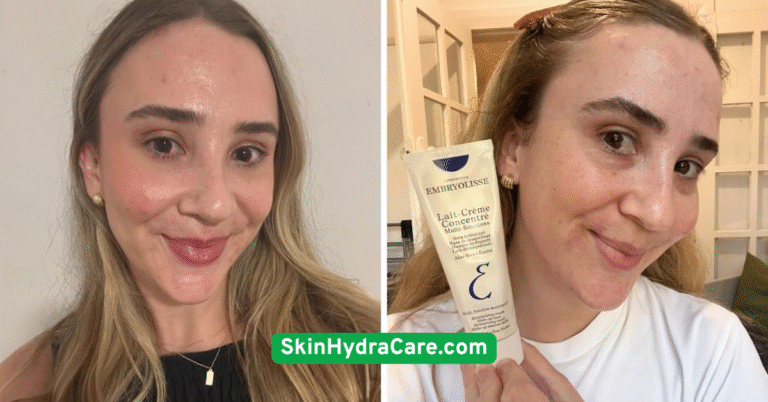
Moisturizer is your skin’s daily defense. When your skin is red or reactive, it’s crying out for hydration—and not just any hydration. What your skin needs is barrier-repairing moisture that replenishes what’s been lost and protects what’s still there.Look for formulas rich in ceramides, fatty acids, and hyaluronic acid. These ingredients work together to strengthen the skin’s lipid barrier, lock in moisture, and reduce inflammation. A good moisturizer for redness should also be fragrance-free and non-comedogenic, especially if you’re prone to breakouts or rosacea.Layering can be helpful too. Start with a hydrating serum—one with hyaluronic acid or niacinamide—then seal it in with a richer cream. This ensures deep hydration and long-lasting protection.Bonus tip: Apply moisturizer while your skin is still slightly damp from cleansing or toning. This helps the product penetrate more effectively, making it even more soothing and efficient.

3. Use Lukewarm Water—Not Hot
It might feel relaxing in the moment, but hot water is your skin’s worst enemy when it comes to redness. High temperatures strip away natural oils, weaken the skin barrier, and trigger inflammatory responses. The result? More redness, more sensitivity, and slower healing.Switch to lukewarm water—comfortable, but not hot. Whether you’re washing your face or taking a shower, keeping the water temp in check helps your skin stay balanced and calm. Even a small change like this can have a big impact on reducing flare-ups.And don’t forget about drying. Always pat your skin dry with a soft towel, never rub. Rubbing causes microtears, which worsen redness and increase sensitivity. It’s the little habits, like this one, that really add up over time.To take things up a notch, some people with rosacea or reactive skin swear by finishing with a quick splash of cool water. It’s refreshing, and it can gently constrict blood vessels, reducing the appearance of redness on the surface.
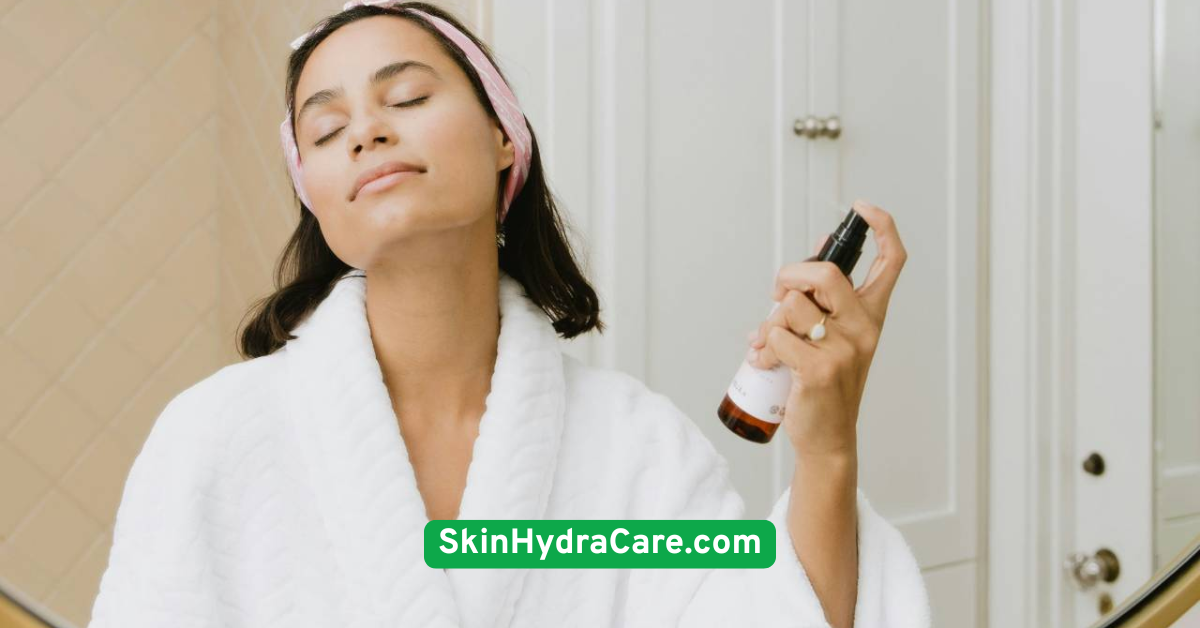
4. Add Calming Ingredients Like Green Tea & Cica
If your skincare routine doesn’t already include calming botanical ingredients, you’re missing out on some of nature’s best remedies for redness. Two standout stars? Green tea and centella asiatica (commonly known as cica).Green tea is rich in polyphenols and antioxidants that soothe inflammation, protect against environmental damage, and even help tone down visible redness. Cica, on the other hand, is a powerhouse for skin repair—stimulating collagen production and improving hydration, all while calming irritation.These ingredients are often found in toners, essences, or serums specifically formulated for sensitive skin. They’re gentle, effective, and safe for daily use. If you’re trying a new product with these ingredients, always do a patch test first to rule out any unexpected reactions.Look out for other calming companions like chamomile, aloe vera, and licorice root extract. Together, they work like a dream team to keep your skin calm, cool, and collected.
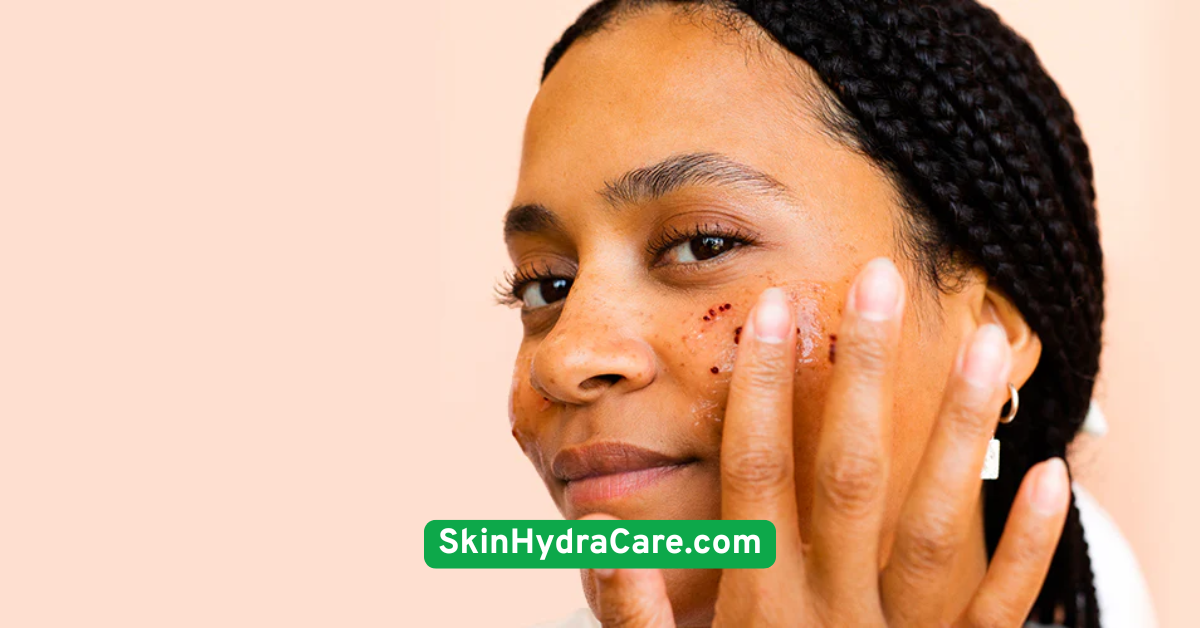
5. Avoid Over-Exfoliation at All Costs
Exfoliation can be a good thing—removing dead skin cells, improving texture, and helping your products absorb better. But when you overdo it, especially with abrasive scrubs or strong acids, you’re setting yourself up for disaster. Redness, flaking, burning… none of these are signs of a healthy barrier.If your skin is red, irritated, or inflamed, take a break from exfoliants entirely until things calm down. When you do resume, choose enzyme-based exfoliants or super gentle acids like mandelic acid. Limit exfoliation to once or twice a week max.Always follow up with a rich, nourishing moisturizer after exfoliating. This will replenish the skin and reduce the risk of irritation. And remember: never exfoliate if your skin is actively flaring or if you have broken skin.Sometimes, less really is more. Especially when it comes to sensitive or reactive skin. Respect your skin’s rhythm, and it will reward you with resilience and glow.
6. Soothe with Cooling Masks and Tools
One of the fastest ways to calm a red, overheated face? Cooling therapy. Using chilled skincare tools or refrigerated masks can provide instant relief and help reduce inflammation on contact.Try a cooling gel mask with soothing ingredients like aloe, cucumber, or calendula. You can also use jade rollers or metal tools straight from the fridge to gently massage the skin and reduce puffiness. The sensation not only feels amazing, but it helps constrict blood vessels, temporarily reducing redness.DIY fans can make their own calming masks using oatmeal, honey, and green tea. These natural ingredients have anti-inflammatory properties that nourish and soothe the skin while restoring hydration.Just don’t overdo it. Use cooling masks no more than 2–3 times per week. And avoid extreme cold—ice cubes directly on the skin can do more harm than good. Aim for gentle, consistent soothing over shock therapy.

7. Prioritize Sun Protection—Every Single Day
If you struggle with redness and you’re not wearing SPF every day, we need to talk. UV exposure is one of the leading causes of skin inflammation and redness, especially for sensitive or rosacea-prone skin. It weakens the barrier, increases pigmentation, and slows healing.Opt for a mineral sunscreen (also called physical sunscreen) with zinc oxide or titanium dioxide. These ingredients sit on top of the skin and reflect UV rays, making them less likely to irritate. Look for formulas labeled “non-comedogenic” and “fragrance-free”.Reapplication is just as important. If you’re outdoors for extended periods, reapply every 2 hours. Use sunscreen sticks, powder SPF, or mist sprays if layering over makeup.Also, don’t forget protective accessories. A wide-brimmed hat and sunglasses go a long way in shielding your skin and keeping redness at bay. Prevention is always better than correction, especially when it comes to the sun.

Conclusion
Managing redness isn’t about expensive treatments or complicated routines—it’s about being kind to your skin. From choosing the right cleanser and moisturizer to avoiding triggers like heat and harsh exfoliants, every small change contributes to a calmer, healthier complexion.Stick with hydrating, barrier-repairing ingredients, and introduce calming botanicals like green tea and cica to soothe inflammation from the inside out. Make sunscreen your best friend, and don’t underestimate the power of cool water and gentle touch.Above all, listen to your skin. It’s constantly telling you what it needs. With consistency, patience, and these seven restorative skincare tips, you’re well on your way to saying goodbye to redness—and hello to radiance.